
How to Handle Construction Debris on a Job Site in San Diego
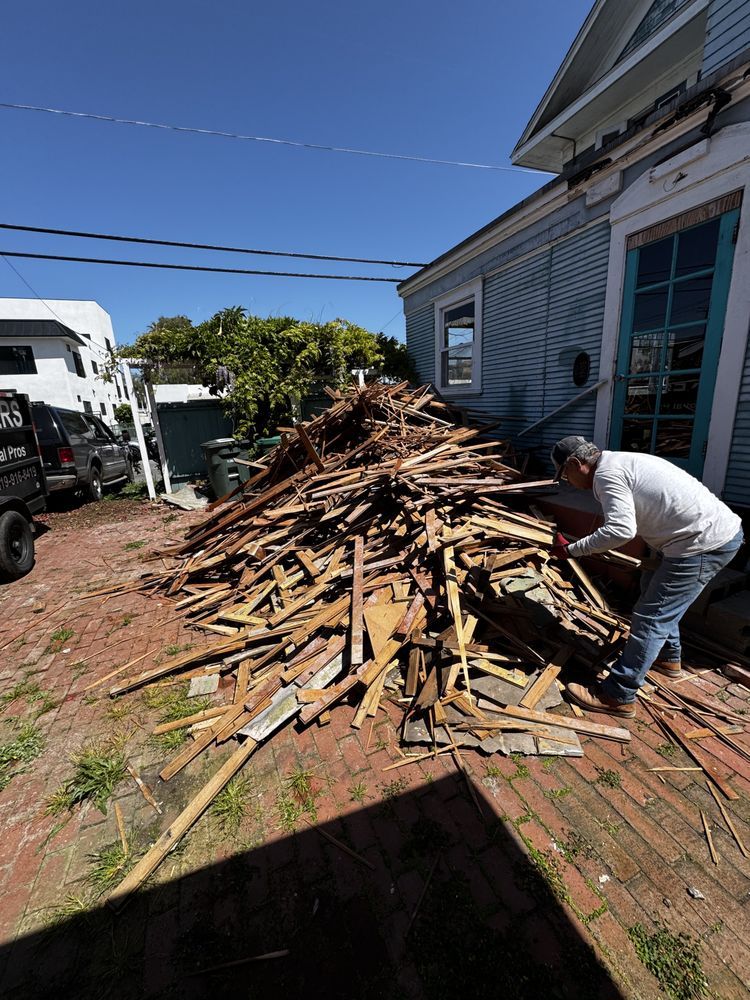
Learn how to manage construction debris on a San Diego job site, including staging, sorting, access, loading, removal timing and choosing between crew-loaded and customer-loaded options.
Key Takeaways
- • Consider where debris will be staged before work begins - a designated area keeps material organized and accessible
- • Keep the debris area accessible for loading and removal - account for gates, stairs, driveways and other site access factors
- • Choose the service partly based on who will perform the loading - full-service means the crew loads; the trailer means the customer loads
- • Coordinate removal with the project's workflow and site access - plan around how quickly debris accumulates
- • Confirm heavy or specialized materials before scheduling or loading - concrete, dirt and similar materials require confirmation
A practical way to keep construction debris from disrupting a job site is to decide where debris will go before work begins, keep the removal area accessible, identify materials that may require special handling, and plan removal around the project's workflow.
The appropriate removal workflow can depend on the type of debris, the amount of material, how quickly it accumulates, available space, site access, whether the contractor or customer wants to load it, and whether a crew should handle loading. There is no single method that works for every project.
What is the best way to handle construction debris on a job site?
The most effective approach is to plan debris management before the first piece of material comes off the wall. That means understanding what the project will generate, choosing where debris will be staged, keeping that area accessible, and deciding early who will handle the loading.
1. Identify the debris before work starts
Consider what the project is expected to generate:
- Drywall and sheetrock
- Lumber and framing scrap
- Roofing materials
- Tile and flooring
- Packaging
- Qualifying remodeling debris
- Potentially heavy or specialized materials
Knowing the material beforehand can help determine the appropriate removal method. Accepted materials depend on the removal service and project. Tell Junk Seekers what material you have before scheduling, particularly for heavy or specialized debris.
2. Designate a debris staging area
A defined debris area can be useful for several practical reasons:
- Helps keep debris from spreading across the work area
- Can make loading and removal more organized
- Can help keep access routes clearer
- Makes it easier to monitor how much material has accumulated
One spot, clearly marked, so materials don't scatter across the site. This is a simple step that experienced contractors take consistently.
3. Keep the removal area accessible
Practical access considerations include:
- Crew access to the debris area
- Trailer or container placement
- Gates and fenced properties
- Stairs and elevators
- Narrow driveways or tight access points
- Occupied properties where residents are still present
- Other contractors or equipment using the site at the same time
The appropriate placement depends on the property, access and project. If a trailer or container would be placed in a public street or other public right-of-way, check the applicable local requirements before delivery.
4. Decide who will load the debris
Junk Seekers offers two distinct service models for construction debris:
Full-Service Debris Removal
Junk Seekers' crew loads accepted debris from the agreed removal area and hauls it away. The customer does not need to load anything. See full-service debris removal.
Customer-Loaded Construction Debris Trailer
Junk Seekers delivers the trailer, the customer or contractor loads accepted debris, and Junk Seekers returns to retrieve and haul the trailer. See construction debris trailer rental.
These are different services. With full-service removal, the crew handles the loading. With the trailer, the customer handles the loading.
5. Plan removal around the project
If accepted debris is already accumulated and ready for removal, full-service removal may fit the workflow because the crew can handle the loading and hauling in one service.
If debris will accumulate over several stages and the contractor wants to load it as work progresses, a customer-loaded trailer may fit the workflow because the trailer remains on site during the agreed project period.
Coordinate removal with the project's workflow and site access rather than waiting until debris becomes unmanageable.
6. Confirm heavy or specialized materials
Concrete, dirt and other very heavy or specialized materials should be discussed before scheduling or loading. Tell Junk Seekers the material and approximate amount so we can confirm whether the job can be handled.
Should construction debris be sorted?
Sorting materials can be useful when different materials require different handling, when a project has specific disposal requirements, when the contractor wants certain materials separated, or when a provider or receiving facility has specific requirements.
Sorting as you go - wood in one area, masonry in another, metal separate - is often faster than digging through a mixed pile at the end. Confirm the applicable requirements for your project before deciding how materials should be separated.
Full-service removal or a construction debris trailer?
| Factor | Full-Service Debris Removal | Construction Debris Trailer |
|---|---|---|
| Who loads? | Junk Seekers crew | Customer or contractor |
| Best workflow | Accepted debris is accumulated and ready for removal | Debris accumulates during the project |
| Equipment on site? | No customer-loaded rental trailer needs to remain | Trailer remains for the agreed project period |
| Good fit when | Customer wants loading and hauling handled | Customer wants to load accepted debris as work progresses |
| Commercial page | /debris-removal | /construction-debris-trailer-rental |
Job-site debris planning checklist
- ☐ Identify the material being generated
- ☐ Estimate how much debris is likely to accumulate
- ☐ Choose a designated staging or loading area
- ☐ Keep access to the debris area available
- ☐ Decide whether the crew or customer will handle loading
- ☐ Confirm heavy or specialized materials
- ☐ Determine whether a container can be appropriately placed
- ☐ Coordinate removal with the project's workflow
Project examples
Kitchen or bathroom remodel
Debris may accumulate in stages as cabinets, flooring, tile and drywall are removed. A designated staging area and customer-loaded trailer may fit when the contractor wants to load accepted material throughout the project.
Roofing project
Roofing material can accumulate during the project. The contractor should confirm the material, expected amount and appropriate removal setup before work begins.
One-time debris pile
If accepted debris is already staged and ready for removal, full-service debris removal may fit because the Junk Seekers crew can handle the loading and hauling. Junk Seekers does not perform demolition.
What should contractors confirm before scheduling removal?
Before scheduling, confirm the type and approximate amount of material, the removal area, site access, whether a crew or the customer will handle loading, and whether any heavy or specialized materials are involved.
If you're specifically comparing a dump trailer with a traditional roll-off dumpster, see our separate dump trailer vs. dumpster guide. If you're deciding between having a crew load everything versus loading a container yourself, see our junk removal vs. dumpster rental guide.
How much does construction debris removal cost?
Removal cost can depend on factors such as the amount and type of material, access, loading requirements and the service selected. For current Junk Seekers full-service pricing, see the pricing page.
Frequently Asked Questions
Need a Plan for Your Construction Debris?
Tell us what type of project you're working on, what debris you expect and whether you want a crew to handle the loading or prefer to load a trailer yourself. Call (619) 916-8419 or book online.
Book Online