
How Landlords and Property Managers Can Keep Rental Properties Junk-Free
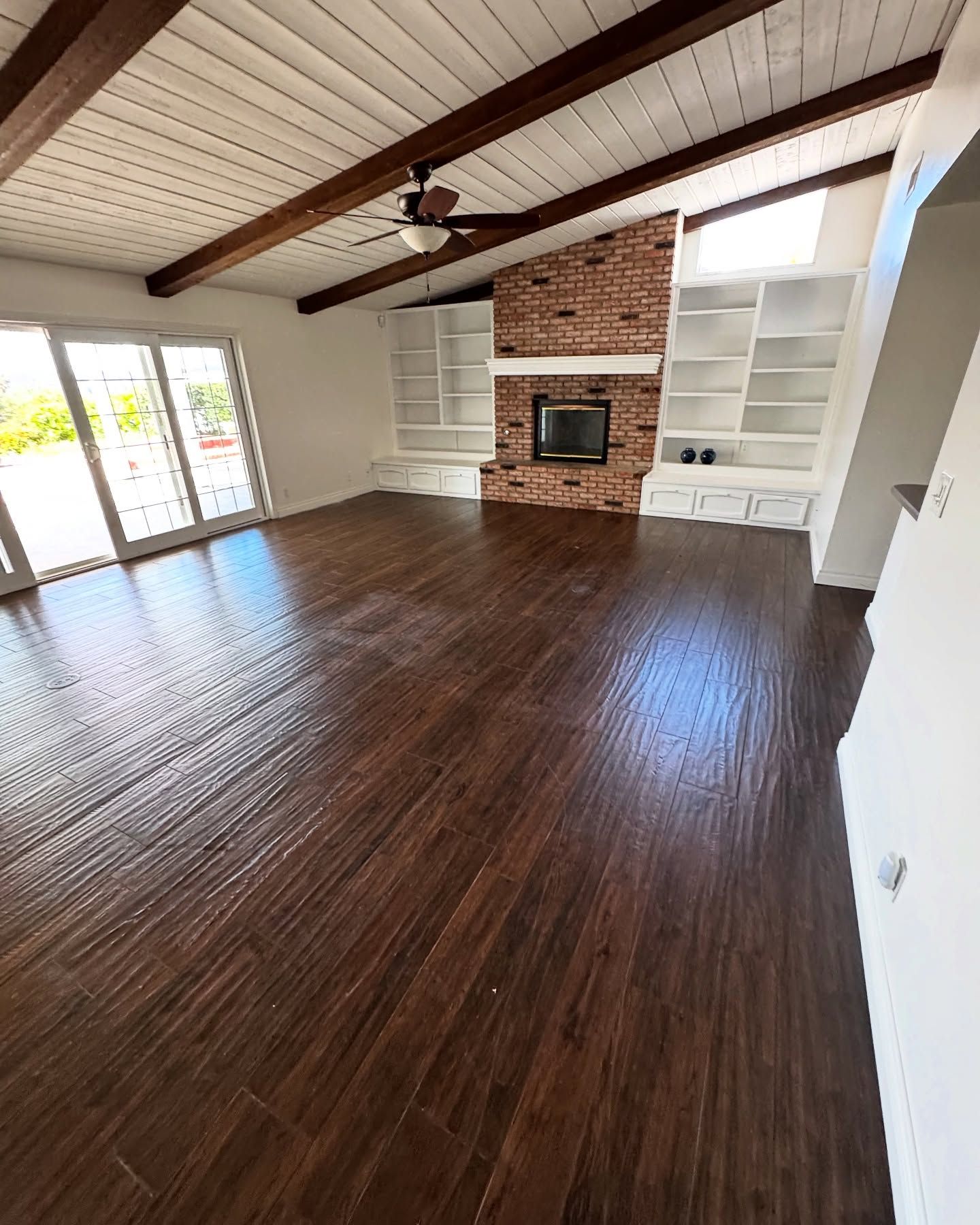
A practical guide for San Diego landlords and property managers on preventing junk accumulation, handling bulky items during turnovers, and knowing when to schedule professional removal.
Key Takeaways
- • Confirm that remaining belongings are authorized for removal before scheduling any physical cleanout
- • Identify what stays and what goes before the removal crew arrives
- • Property size, material volume, large items and access information help define the scope of the cleanout
- • Appliances and some debris may require different handling than ordinary household junk
- • Junk removal covers physical removal and hauling, not legal determinations, cleaning, repairs or property-management services
Rental properties accumulate junk faster than most landlords expect. Tenants leave furniture behind at move-out, bulky items pile up near waste enclosures, and garages fill with items nobody claims. For landlords and property managers in San Diego County, staying ahead of junk means setting clear expectations, planning for turnovers, and knowing when to schedule professional removal.
Why rental properties accumulate junk
Most junk accumulation at rental properties falls into a few categories. Tenants moving out leave behind furniture, mattresses, and household items they do not want to transport. Multi-family waste enclosures attract illegal dumping from non-residents who see a dumpster area as a free disposal site. Garages and storage areas collect items over multiple tenancies that never get cleared between leases. And turnover timelines often do not leave room for tenants to dispose of everything properly before the next lease starts.
Setting clear tenant expectations at lease signing
The most effective way to reduce junk problems is to set expectations before they start. Your lease or move-in documents can clarify what happens with items left behind at move-out. If your lease includes clear language about abandoned property and the associated removal costs, document the condition of the unit at move-out with photos and itemize any removal costs clearly. Security deposit rules vary, so consult your lease and applicable California law before making deductions. The key is clarity: tenants who understand the consequences of leaving items behind are more likely to remove them.
Preventing illegal dumping at multi-family properties
Multi-family waste enclosures are common targets for illegal dumping, both from tenants and from non-residents. When bulk items block bins, waste haulers may skip the pickup or leave the items behind. A few practical steps can help: keep enclosure gates locked and accessible only to authorized users, post signage referencing cameras and no-dumping rules, and schedule regular walkthroughs of waste areas to catch bulk items before they pile up. The longer bulk items sit in an enclosure, the more additional dumping they attract.
Planning for turnover: move-out inspections and bulky items
A structured move-out inspection helps you identify what stays and what goes before the next tenant arrives. Walk through every room, the garage, storage areas, patios, and common areas. Note furniture, mattresses, appliances, and any debris from repairs or remodeling. Identifying these items early gives you time to arrange removal before the new lease starts. A unit that cannot move into its next stage can create additional carrying time for the property owner or manager.
What to do with appliances and furniture left behind
Appliances and furniture are the most common items left behind at turnover. Usable furniture may qualify for donation or reuse if it is in acceptable condition. Broken appliances may need recycling or disposal at an appropriate facility. Refrigerant-containing appliances such as refrigerators, freezers, and air conditioners may require special handling or disposal procedures depending on the item. If you are managing a turnover that includes appliances, Junk Seekers offers appliance removal throughout San Diego County.
When professional junk removal makes sense for landlords
Not every turnover requires a removal crew. A single bag of household trash or one small item may be manageable on your own. Professional removal makes sense when the volume exceeds what fits in standard bins, when items need to be removed from inside the unit, when appliances or heavy furniture are involved, or when the turnover timeline does not leave room for self-hauling. If you manage rental properties and need professional removal, see Junk Seekers' property management cleanout services in San Diego.
How much does rental property junk removal cost?
Cost depends on the volume of material, the type of items being removed, access conditions, and the overall scope of the cleanout. Junk Seekers currently has a $125 minimum, with larger jobs priced based on the amount of truck space used and the type of material being removed. Your actual quote depends on the job. You can view the full current pricing tiers on the pricing page, or call (619) 916-8419 for a free estimate.
What junk removal includes - and what it doesn't
Junk Seekers provides junk removal and physical property cleanouts. That means the crew removes accepted furniture, appliances, household junk, garage contents, and approved debris from inside the unit or property. Junk removal does not include legal advice, eviction execution, tenant removal, legal notices, lock changes, locksmith services, professional cleaning, repairs, property management, property preservation, biohazard remediation, or hazardous-waste removal. If you are planning a cleanout after an eviction, read our guide to how eviction cleanouts work in San Diego.
Frequently Asked Questions
Need Help Clearing a Rental Property?
Junk Seekers provides property cleanout and junk removal services throughout San Diego County. Tell us about the property and what needs to be removed to request an estimate.