
How Eviction Cleanouts Work in San Diego: A Guide for Landlords and Property Managers
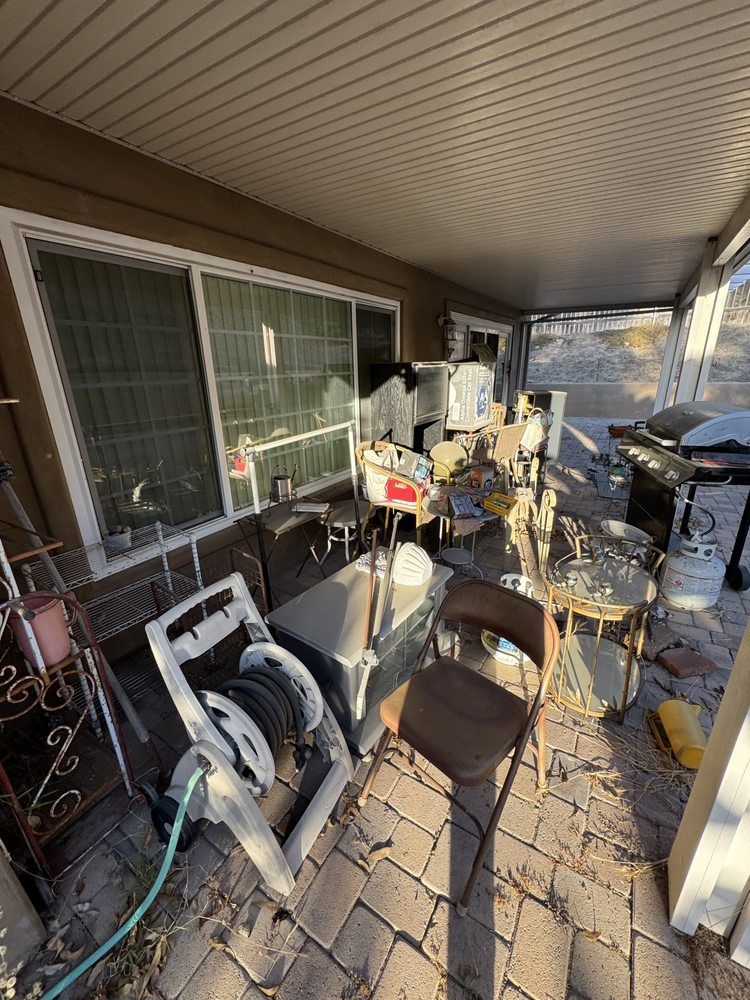
Learn how to plan an eviction cleanout in San Diego, including authorization, property access, estimates, furniture, appliances, debris and large-volume removal.
Key Takeaways
- • Confirm authorization first - the property owner, manager or responsible party should confirm that remaining belongings are authorized for removal before scheduling the physical cleanout
- • Identify what stays and what goes - sorting items before the crew arrives helps the cleanout move efficiently
- • Provide scope information - property size, material volume, large items and access details help define the job
- • Appliances and debris may need different handling - refrigerant-containing appliances and construction debris can require special handling or disposal procedures
- • Junk removal is physical removal and hauling - it does not include legal determinations, cleaning, repairs or property-management services
An eviction cleanout is the physical removal of unwanted furniture, appliances, household items and other approved material left in a rental property after an eviction. Before scheduling removal, the landlord, property manager or other responsible party should first confirm that the remaining items are authorized for removal. Once that is established, the cleanout can be planned around access, volume, large items and the condition of the property.
What is an eviction cleanout?
An eviction cleanout involves physically removing approved unwanted items from a rental property so it can move on to its next stage. The work can cover apartments, rental homes, garages, storage areas, patios and other accessible areas of the property. Common categories include furniture, mattresses, household junk, appliances, garage and storage contents, outdoor items and accepted debris. What can actually be removed depends on the material - not everything left behind may qualify for a standard junk removal load.
What should be confirmed before an eviction cleanout?
Before scheduling a cleanout, the person responsible for the property should confirm several things:
- that removal of the remaining items has been authorized
- which items should remain on the property
- which items should be removed
- that property access is available for the crew
- whether appliances or unusually heavy items are present
- whether garage, storage or patio contents are included
- whether any debris requires separate handling
- any timing requirements for the cleanout
Junk Seekers handles the physical removal of approved items. The property owner, manager or other responsible party is responsible for confirming that the remaining belongings are authorized for removal. If there is uncertainty about tenant property or legal requirements, consult an appropriate legal professional before scheduling disposal.
What information helps when requesting an eviction cleanout estimate?
Providing useful information upfront helps a removal company understand the scope of the job. Helpful details can include:
- property location
- approximate unit or property size
- rooms or areas needing removal
- approximate amount of material
- major furniture pieces
- mattresses
- appliances
- stairs, elevators or gated access
- garage or storage area contents
- outdoor contents
- construction or remodel debris
- desired timing
Access can affect the scope of removal. Stairs, elevators, parking and loading access, gated properties, unit entry and storage area availability all factor into how the crew plans the job. Not every estimate requires every detail above, but the more information available, the more accurate the estimate.
What types of items can be involved in an eviction cleanout?
Eviction cleanouts can involve a range of accepted materials. Furniture such as couches, beds, dressers and tables is common. Mattresses, household junk, bagged and unbagged debris, and garage or storage contents are also typical. Appliances like refrigerators, washers, dryers and stoves can be part of a cleanout depending on the item. Outdoor items and accepted debris from repairs or remodeling may also be included. Acceptance depends on the material - hazardous materials and biohazards are not part of a standard junk removal load.
How are larger eviction cleanouts handled?
Larger cleanouts may require more truck space, additional loading time or multiple loads depending on the amount and type of material. A studio with loose trash is a different scope from a three-bedroom home with a full set of furniture and appliances. Whole-property cleanouts can involve significantly more volume than a standard household junk pickup. The removal company evaluates the scope before starting and provides an estimate based on what is actually involved.
What about appliances and debris?
Appliances can add weight and handling considerations to a cleanout. Refrigerant-containing appliances such as refrigerators, freezers and air conditioners may require special handling or disposal procedures depending on the item. For more detail on accepted appliances, see Junk Seekers' appliance removal services.
Some rental turnovers also involve accepted debris from repairs or remodeling. Construction and remodel debris may require a different removal or disposal approach than ordinary household junk. For more information, see Junk Seekers' debris removal services. Junk removal is distinct from demolition, repair, remediation and hazardous-material removal.
How much does an eviction cleanout cost in San Diego?
Cost depends on factors such as the volume of material, the type of items being removed, access conditions and the overall scope of the cleanout. Junk Seekers currently has a $125 minimum, with larger jobs priced based on the amount of truck space used, the type of material being removed and the scope of removal. Your actual quote depends on the job. You can view the full current pricing tiers on the pricing page, or call (619) 916-8419 for a free estimate.
What does junk removal include - and what doesn't it include?
Junk Seekers provides junk removal, physical property cleanouts and hauling of accepted items. Junk removal does not include legal advice, eviction execution, tenant removal, legal notices, lock changes, locksmith services, professional cleaning, repairs, property management, property preservation, biohazard remediation or hazardous-waste removal. Understanding this boundary helps property managers and landlords plan the full scope of work needed to prepare a property for its next stage.
When does professional removal make sense?
Professional removal can make sense when the volume of items is more than routine household trash, when heavy furniture or appliances need to be moved from inside the property, when the cleanout involves multiple rooms or areas, or when the person responsible for the property does not have the time, equipment or labor to handle it themselves. A unit that cannot move into its next stage can create additional carrying time for the property owner or manager. If you manage rental properties and need professional removal, see Junk Seekers' property management cleanout services in San Diego.
Frequently Asked Questions
Need Help Clearing a Rental Property?
Junk Seekers provides property cleanout and junk removal services throughout San Diego County. Tell us about the property and what needs to be removed to request an estimate.
Or call (619) 916-8419 to speak with us directly.