
Construction Debris Removal: A Practical Guide to Cleanup Options
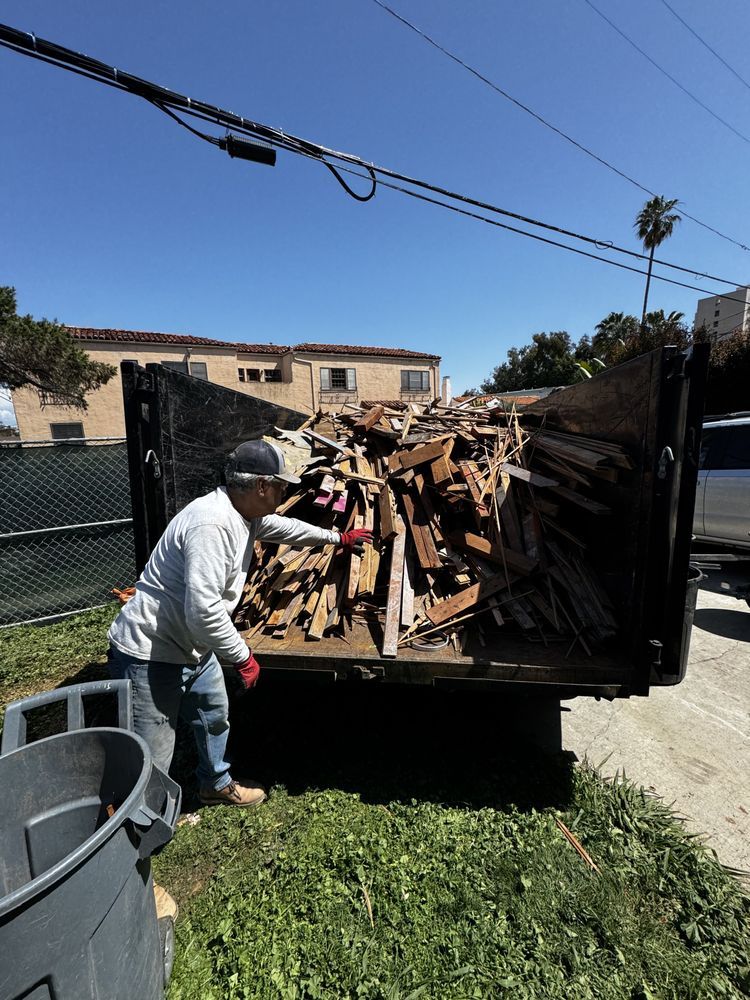
Learn what construction debris includes, when it builds up during a project, and the main cleanup options from full-service removal to self-load trailers and dumpsters.
Key Takeaways
- • Construction debris comes from multiple project stages - it builds up during demolition, installation, finishing and final cleanup, not just at the end.
- • Debris includes different material categories - from interior renovation waste and wood framing to heavy materials like brick and concrete.
- • Full-service means the hauling crew loads - Junk Seekers' full-service debris removal is crew-loaded.
- • Trailers and dumpsters are customer-loaded options - with a self-load trailer, the customer loads and the provider hauls it away.
- • Material type, loading responsibility, site access and project timing help determine the right method - there is no single best option for every job.
Construction debris is the material left behind during remodeling, renovation, repair, demolition and new construction work. It can include drywall, lumber, tile, flooring, roofing material, cabinetry, fixtures, metal, brick, concrete and other project debris. The right cleanup method depends on factors such as what material was generated, how much debris there is, who will load it, available space, project timing and whether heavy or specialized material is involved.
What Counts as Construction Debris?
Construction debris covers a wide range of materials generated on a building, remodeling or demolition project. Organizing them into categories helps with planning cleanup and choosing a removal method.
- Interior renovation debris: drywall, cabinets, fixtures, flooring and tile removed during a remodel.
- Wood and framing debris: lumber, trim and framing scraps left over from structural or finish work.
- Exterior and project debris: roofing material and other qualifying materials generated during exterior repairs or construction.
- Heavy debris: brick, concrete, masonry and similar dense materials that can affect loading, hauling and disposal.
- Metal: metal framing, piping and qualifying fixtures separated out during demolition.
Disposal and hauling requirements can vary by material, and heavy or specialized materials may need to be confirmed with the chosen hauler or disposal provider before loading.
When Does Construction Debris Build Up During a Project?
Construction debris does not only appear at the end of a project. It accumulates in stages, and understanding when it builds up helps with planning removal.
- Demolition and removal stage: old cabinets, flooring, drywall and fixtures pulled out at the start of a remodel.
- Construction and install stage: lumber cutoffs, packaging, tile scraps and drywall scraps generated as new work goes in.
- Finishing stage: remaining materials, removed fixtures and miscellaneous project debris left near the end.
- Final cleanup: material that still needs to be removed before the area can be fully cleared.
For a deeper look at staging, sorting, access and removal timing on an active job site, see our guide on how to handle construction debris on a job site.
What Are the Main Ways to Remove Construction Debris?
There are four general approaches to removing construction debris. The main difference between them is often who does the loading.
Full-Service Debris Removal
A hauling crew comes to the property or job site, loads accepted debris and hauls it away. This is useful when the debris is already accumulated, the customer does not want to load it, labor or time is an important consideration, or a one-time removal makes sense. Junk Seekers' full-service debris removal is crew-loaded, meaning the Junk Seekers crew handles the loading.
Self-Load Construction Debris Trailer
A trailer is delivered to the project, the customer loads it, and the provider returns to haul it away. For Junk Seekers specifically, Junk Seekers delivers the rubber-tired construction debris trailer, the customer loads it, and Junk Seekers returns to haul it away. See construction debris trailer rental for details.
Roll-Off Dumpster
A roll-off dumpster is another customer-loaded container option often used when debris needs to remain on site while work continues. For a detailed comparison of equipment and placement, see our dump trailer vs. dumpster rental guide.
Self-Haul
For smaller quantities, some people may transport material themselves to an appropriate disposal or recycling facility. Practical considerations include vehicle or trailer availability, loading labor, material type, facility rules and disposal requirements.
| Method | Who Loads? | Best Fit | Main Consideration |
|---|---|---|---|
| Full-Service Removal | Professional hauling crew | One-time debris piles / customer wants loading handled | Labor and scheduling |
| Self-Load Trailer | Customer | Projects generating debris over time | Customer handles loading |
| Roll-Off Dumpster | Customer | Projects needing a larger container kept on site | Space, placement and provider terms |
| Self-Haul | Customer | Smaller manageable quantities | Vehicle, labor and disposal requirements |
How Do You Choose the Right Construction Debris Removal Method?
Choosing a removal method comes down to a few practical questions about the project and the material involved.
Who is doing the loading?
If the customer wants the loading handled, full-service removal may fit. If the customer or project crew will load, a trailer or dumpster may fit.
How quickly is debris generated?
A single accumulated pile differs from a remodel that produces debris over multiple stages. Ongoing generation can favor a container that stays on site.
How much space is available?
Container placement requires appropriate site access and space. Requirements can vary by location and setup, so check the applicable local requirements before delivery.
What type of material is involved?
Dense, heavy or specialized material may require advance confirmation with the hauler or disposal provider before loading.
How long does the project generate debris?
A one-time cleanup and an ongoing renovation can call for different approaches. A project that spans multiple stages may benefit from a container kept on site, while a single pile may be better suited to a one-time full-service removal.
What About Concrete, Brick, Dirt and Other Heavy Materials?
Dense materials can affect loading, hauling, equipment choice, disposal method and weight considerations. Because of their weight and handling requirements, they may not fit every service or container. For Junk Seekers, concrete, dirt and other heavy or specialized materials require advance confirmation.
What Factors Affect Construction Debris Removal Cost?
Cost is driven by several factors rather than a single flat rate. These can include debris volume, material type, heavy or dense material, loading method, labor required, site access, the chosen removal method and provider-specific disposal or rental terms.
For Junk Seekers, qualifying full-service removal jobs have a verified $125 minimum. Trailer rental is a different service and should not be assumed to use the same pricing structure.
Should You Choose Full-Service Removal or a Customer-Loaded Option?
The fundamental distinction is straightforward. With full-service removal, a crew handles the loading. With a customer-loaded option, the customer or project crew handles loading into a trailer or dumpster. For a deeper comparison of crew-loaded versus customer-loaded cleanup, see junk removal vs. dumpster rental.
Frequently Asked Questions
Need Help Choosing a Construction Debris Cleanup Option?
If you're deciding between full-service debris removal and a self-load construction trailer, Junk Seekers can help you determine which setup fits your project and the material you need removed.
Or call (619) 916-8419 to speak with us directly.